June 14, 2022

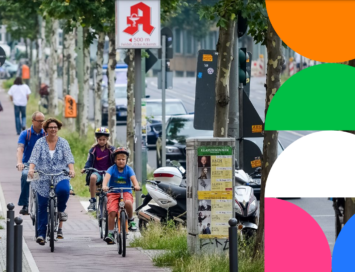
Cities designed for cyclists and pedestrians are cities designed for people. A majority of the world’s population travels primarily by foot or bicycle, yet transport planning typically prioritizes private cars, which comes at the expense of sidewalks, safe walking environments, and cycling infrastructure. Increasing the use of bicycles and making walking easier are some of the most affordable and effective ways for cities to reduce greenhouse gas emissions, while boosting access to economic opportunities for its residents, and creating a more people-friendly and prosperous city for all.
Unfortunately, many cities lack basic elements to support these modes. Poor quality sidewalks or no sidewalks at all, unsafe crossings or inaccessible pedestrian bridges, lack of protected bike lanes or lanes that are frequently blocked, public spaces that are used as free parking lots, and police harassment of cyclists are all major impediments to getting more people walking and cycling. Fortunately, this is changing. Cities around the world are embracing bike share, e-bikes, scooters, and more as alternatives to cars, and an extension of the transit system. In major markets, real estate developers are working with cities to respond to customer demands for less parking and more walkability.
Since 1985, ITDP has been working with cities in the Global South to plan and design the streetscape for pedestrians and cyclists, and the list of our accomplishments is long. We’ve helped cities build sidewalks, footpaths, greenways, assisted in launching bike share programs, and protected cycling networks to make walking and biking safe and enjoyable for everyone, including the elderly, children, and people with disabilities. We’ve designed and distributed a modern cycle-rickshaw, still used by more than half a million people in India. Finally, we’ve initiated “car-free days”, which give residents a glimpse of how their cities could change by making street space a resource for everyone.
 ITDP’s Cycling Cities Campaign aims to provide governments, planners, advocates, and others the tools to make cycling a safe and affordable transportation option in cities worldwide. Composed of a global coalition of cities, civil society organizations, and private sector partners, ITDP’s Cycling Cities Campaign calls for 25 million more people near safe cycle lanes by 2025.

