February 22, 2023

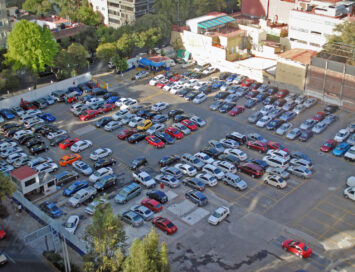
In most cities, free on-street parking and car-only road space remain the norm. These policies incentivize driving, fuel congestion, and restrict access to the minority who own private vehicles, while consuming valuable urban land that could serve people and public transport.
Reducing private car use requires more than improving transit, cycling, and walking infrastructure. It also demands better management of car travel. Traffic management strategies — such as regulating parking and charging motorists for the privilege of driving and parking in city centers — are among the most effective tools for reducing congestion. By encouraging a shift to public transport, cycling, and walking, cities can cut CO₂ emissions, improve air quality, boost transit ridership, and create safer, more livable urban environments where time is not wasted in traffic.
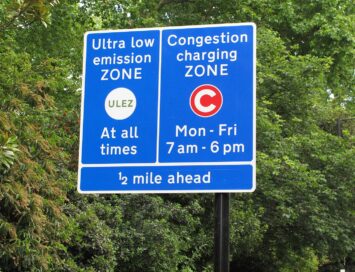
Parking reform is central to this transformation. Pricing and regulating parking reduces congestion, frees space for people and transit, and discourages unnecessary car trips. Congestion pricing, or charging drivers to enter city centers during peak hours, has proven successful at reducing unnecessary driving in cities such as Singapore, London, Hong Kong, and Stockholm. These policies demonstrate that demand management works while reinvesting in more accessible public transport options for all.
For cities in the Global South, where rapid urbanization and rising car ownership threaten equity and sustainability, these reforms are even more critical. Implementing parking and congestion pricing can help reclaim public space, fund transit improvements, and ensure that urban mobility serves everyone — not just car owners. By shifting priorities from cars to people, cities can build inclusive, climate-smart, and economically vibrant futures.